Tiếng việt
 中国人
中国人
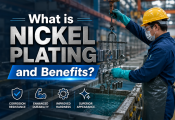
What is Nickel Plating and Benefits
What is Nickel Plating and Benefits
To understand nickel plating
Nickel plating is an electrochemical or electroless process that deposits a thin layer of nickel onto a metal (or non-metal) substrate. It's widely used in industrial, decorative, and engineering applications.
How It Works
Electroplating: The part is submerged in a nickel salt solution (electrolyte). An electric current causes nickel ions to bond onto the surface of the part.
Electroless plating: Uses a chemical reaction (no electricity) to deposit nickel uniformly — ideal for complex shapes.
Key Benefits
1. Corrosion Resistance Nickel forms a protective barrier against moisture, chemicals, and oxidation, significantly extending the life of metal parts.
2. Wear & Abrasion Resistance The hard surface reduces friction and wear, making it ideal for moving parts, tools, and molds.
3. Improved Hardness Electroless nickel (especially nickel-phosphorus alloys) can reach hardness levels comparable to hard chrome after heat treatment.
4. Uniform Coating Electroless nickel deposits evenly on complex geometries, threads, holes, and recesses — something electroplating struggles with.
5. Enhanced Appearance Produces a bright, shiny, silver finish used in decorative applications like jewelry, fixtures, and automotive trim.
6. Electrical Conductivity Nickel is a good conductor, making it useful for electronic components and connectors.
7. Adhesion Base Layer Often used as an undercoat (primer layer) before gold, chrome, or other plating to improve adhesion and performance.
8. Heat Resistance Nickel withstands elevated temperatures, making it suitable for aerospace and high-temperature industrial parts.
Common Applications
| Industry | Use Case |
|---|---|
| Automotive | Engine parts, trim, fuel systems |
| Electronics | PCB contacts, connectors, semiconductors |
| Aerospace | Turbine blades, fasteners |
| Oil & Gas | Valves, pumps, pipelines |
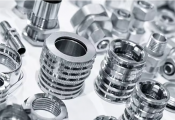
| Consumer Goods | Jewelry, kitchen fixtures, tools |
In short, nickel plating is a cost-effective way to dramatically improve a component's durability, appearance, and performance across a huge range of industries.